

Buying property in the Philippines can be exciting, but it also comes with unique legal requirements — especially for foreign buyers. Before you commit to a purchase, it’s essential to understand the rules, verify documents, and protect yourself from costly mistakes. Before you sign any contract or pay a deposit, it’s crucial to do your due diligence. Here are the key legal and practical steps to take as a foreign buyer in the Philippines:
Verify the Title: Insist on seeing the Transfer Certificate of Title (TCT) for land, or the Condominium Certificate of Title (CCT) for a condo unit. The title should be authentic (not a mere photocopy) and in the name of the seller. It’s wise to obtain a Certified True Copy of the title from the Registry of Deeds to ensure the title is legitimate and up-to-date. This will also reveal if there are any annotations on the title.
Check for Encumbrances: Review the title’s annotations (Encumbrances) section for any liens, mortgages, caveats, or adverse claims. Common red flags include mortgages or loans, notices of lis pendens (ongoing lawsuits), or easements. Any claim listed on the title will stay attached to the land even after it’s sold. For instance, if the title has a mortgage, the bank’s interest needs to be cleared before or at sale. If you see an annotation about an “Affidavit of Loss” or re-issuance of title, investigate thoroughly – it could signal a lost title that was reconstituted, which sometimes indicates potential fraud or multiple claimants. In short, buy only a clean title, or have the encumbrance resolved in the sale process (such as part of the payment going to pay off a mortgage).

Confirm Tax Payments: Ensure that all property taxes have been paid by the current owner. Ask for the latest Real Property Tax receipt or a tax clearance from the local treasurer’s office, which shows there are no tax delinquencies. Delinquent property taxes can lead to hefty penalties or even a public auction of the property by the local government, so you don’t want to inherit someone else’s tax debt. Also clarify the taxes related to the sale itself: in the Philippines, the seller typically pays the Capital Gains Tax (CGT) of 6% on the sale price (or zonal value, whichever is higher), while the buyer covers the Documentary Stamp Tax (DST) of 1.5%, as well as transfer fees. However, these can be negotiated in the contract. Confirm who will shoulder each tax so there’s no confusion at closing negotiated in the contract. Confirm who will shoulder each tax so there’s no confusion at closing.
Verify Zoning and Land Use: Don’t assume you can use the property for any purpose just because it’s for sale. Check the zoning classification and land use regulations with the local government (city or municipal planning office). For example, if it’s classified as agricultural land, you cannot legally build a residential subdivision on it without reclassification. If it’s residential, are there restrictions (like only single-detached homes, or up to 3-storey buildings, etc.)? Also inquire about any needed environmental clearances – for instance, large developments require an Environmental Compliance Certificate. If you’re buying raw land, consider getting a geodetic engineer to verify the boundaries and ensure the lot described in the title is what’s on the ground. Confirm that the property isn’t in a flood-prone or protected area (you can request hazard maps from DENR or the local government). Essentially, make sure the property is suitable for your intended use and that it legally can be used that way.
Investigate the Developer (for new projects): If you’re buying in a pre-selling development or from a developer, research the developer’s reputation and track record. Check if the developer and project are registered with the government’s housing agency (the Department of Human Settlements and Urban Development, DHSUD, formerly HLURB). Ask to see the project’s License to Sell – in the Philippines, any condominium or subdivision project must have a License to Sell before units can be sold. If the seller cannot produce a DHSUD License to Sell for the project, that’s a red flag. Also, verify that the developer owns the land or has the right to develop it, and that local building permits have been issued. It’s safer to stick with established developers who have completed projects in the past. They are more likely to finish the project on time and deliver on promises, whereas fly-by-night developers pose a risk of unfinished projects.
Know the Seller (for private sales): When buying from an individual owner (the secondary market), do a bit of background check on the seller and the property’s ownership history. Ensure the seller is the same person named on the title. You’d be surprised how often a “seller” is actually a representative of the owner, which is fine if they have authority – just verify any Special Power of Attorney (SPA) documents if someone else is signing on the owner’s behalf. If the owner is married, the spouse typically must also sign the Deed of Sale or a written consent, even if the spouse isn’t on the title (because of Philippine conjugal property laws). If the property is inherited (the owner is selling a deceased parent’s property, for example), check that a proper extrajudicial settlement of estate was done and that all heirs are in agreement – all heirs (or their representatives) should sign off on the sale, and the estate taxes should be paid. Basically, you want to be sure no other person can later claim an interest in the property.
Consider the Price and Market Value: Be aware of the fair market value of the property. Sometimes foreign buyers may be quoted a higher price; it helps to consult with a local broker or check listings for comparable properties to ensure you’re not overpaying. Also note the zonal value (BIR’s valuation) and assessed value (for tax) of the property – these are important for taxes and are usually lower than market price. If a deal seems too good to be true (significantly below market value), be cautious and investigate why. It could be a distressed sale – or it could be a sign of a problem (e.g., property has issues or the title isn’t clean). Always do a title check and physical inspection, no matter how attractive the price.
Budget for Closing Costs: Don’t forget the extra costs on top of the purchase price. Buyer side closing costs typically include the Documentary Stamp Tax (1.5%), transfer tax (around 0.5–0.75% depending on the locality), and registration fees (around 0.25%). Sellers typically cover the 6% Capital Gains Tax, but sometimes private sales negotiate a different split. Also, notary fees (for notarizing the deed) are usually around 1-2% of the sale price or a fixed amount by agreement. If you’re using a bank loan, there will be appraisal fees and loan processing fees as well. Make a list of all expected payments (taxes, fees, any agent commissions, etc.) and ensure you have funds ready for those. It’s a good idea to have this cost breakdown agreed in writing with the seller to avoid disputes on who pays what.
Use Secure Payment Methods: Plan how you will pay. For safety, many foreign buyers use an escrow service or lawyer’s trust account: you deposit the purchase money, and it’s released to the seller once the title is transferred to you. This way, neither party is at major risk – the seller knows you have the funds ready, and you don’t release them until you have assurance of the title transfer. If not using escrow, consider paying in tranches (e.g. a down payment, then balance upon signing the deed and submission for title transfer). Avoid handing over large sums of cash. If paying by bank wire or manager’s check, make sure to document everything. Never make a final payment until the Deed of Absolute Sale is signed and notarized. Without precautions, there have been cases of unscrupulous sellers receiving payment and then secretly selling the same property to someone else (“double sale”). Using clear, recorded payment methods and a proper closing process will protect you from such scams.
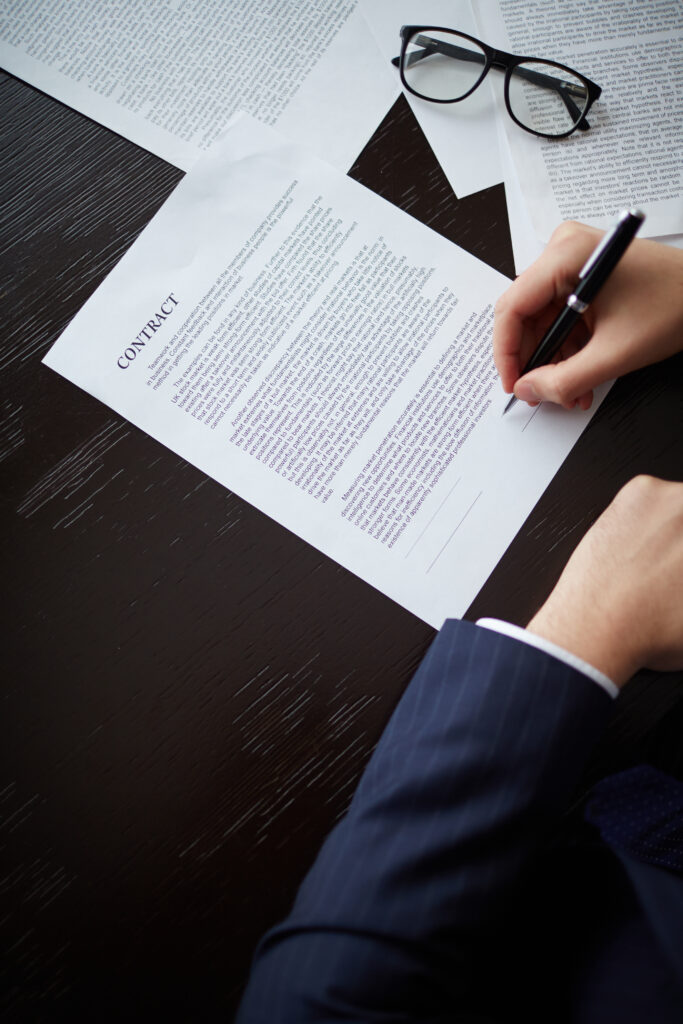
Notarization and Title Transfer: Never skip notarization. In the Philippines, a deed of sale must be notarized to be valid for registering the transfer. Arrange for a licensed notary public to notarize the Deed of Absolute Sale after everyone has signed. Once notarized, the original deed, along with tax documents, will be used to transfer the title. If you’re not personally in the Philippines to handle registration, you can authorize someone (via SPA) to process on your behalf. After paying the required taxes (CGT/DST) and fees, the Bureau of Internal Revenue (BIR) will issue a Certificate Authorizing Registration (CAR) allowing the transfer, and the Registry of Deeds will then issue a new title in your name. Finally, the local Assessor’s Office will update the Tax Declaration to your name. It’s a process that can take a few weeks to a couple of months. Ensure that either you or a trusted representative follows through until you have the new title and documents in hand. All these steps are standard – do not skip them. An unregistered sale (no title transfer) means legally the property is still in the seller’s name, which you must avoid.