


Discover Environmental Stewardship with Pinoy Real Estate Guide
Living in a condo or flat in the Philippines has become increasingly popular, especially in urban areas where these properties are often more conveniently located than houses in the outskirts. Condominiums offer easier access to workplaces, hospitals, malls, schools, and transport hubs—making them ideal for city dwellers. However, this convenience comes with its own set of challenges, particularly when it comes to living sustainably in a smaller, more vertical environment.

Condo Living Challenges
However, condo living also comes with its share of sustainability challenges. Limited space makes it harder to manage waste or grow your own food. Shared utilities mean less control over energy and water usage. Some buildings lack proper waste segregation systems, and not all condos are designed with eco-efficiency in mind. Add to that the heavy reliance on appliances like air conditioning due to poor ventilation or insulation, and living green in a high-rise can seem daunting.
Practical Steps
Condo living lifestyle however doesn’t mean giving up on sustainable living. In fact, with limited space and shared amenities, condo life can actually encourage more mindful consumption. Whether you’re in bustling Metro Manila or a rapidly growing city like Cebu or Davao, there are small, practical steps you can take to reduce your environmental impact—without sacrificing comfort.
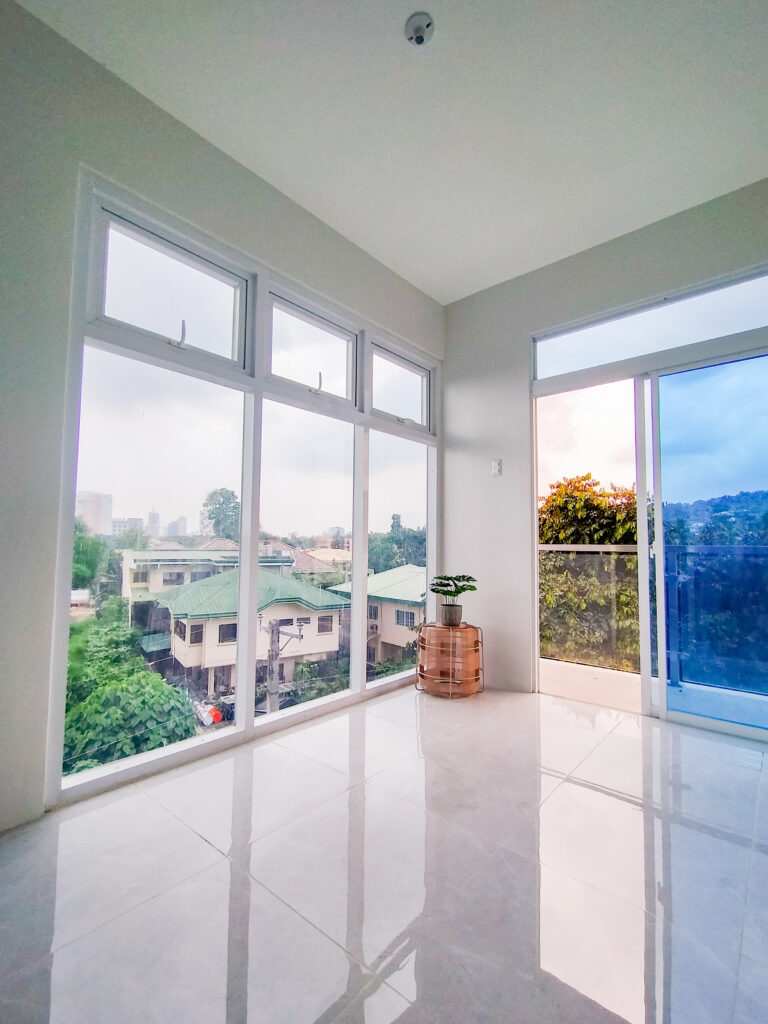
Let’s start with electricity. In the Philippines, power costs are high, so saving energy is good for both the environment and your wallet. Switch to LED lights, unplug appliances when not in use (especially rice cookers, microwaves, and TVs), and take advantage of natural light during the day. Many condos have poor insulation, so instead of blasting the aircon, try using a fan or opening windows during cooler mornings and evenings. You can also set timers or smart plugs for air conditioning to avoid overuse while sleeping. Choose buying a flat with bigger windows to allow natural ventilation.
Water conservation is equally important. Metro water supply issues and El Niño reminders make it clear: every drop counts. Install a low-flow showerhead or aerator to reduce water usage without compromising water pressure. Reuse water when possible—such as water from washing vegetables or rinsing rice to water plants or clean balconies. Report leaks to your building admin immediately, and if you’re renting, talk to your landlord about simple water-saving upgrades.
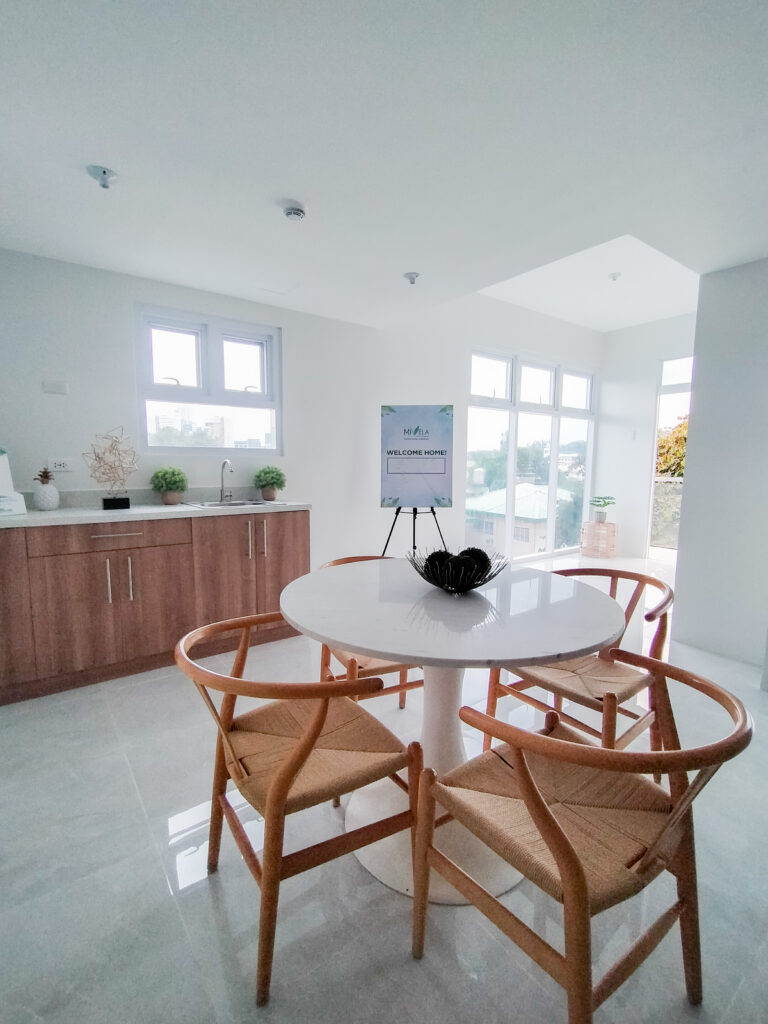
Let’s start with electricity. In the Philippines, power costs are high, so saving energy is good for both the environment and your wallet. Switch to LED lights, unplug appliances when not in use (especially rice cookers, microwaves, and TVs), and take advantage of natural light during the day. Many condos have poor insulation, so instead of blasting the aircon, try using a fan or opening windows during cooler mornings and evenings. You can also set timers or smart plugs for air conditioning to avoid overuse while sleeping. Choose buying a flat with bigger windows to allow natural ventilation.
Water conservation is equally important. Metro water supply issues and El Niño reminders make it clear: every drop counts. Install a low-flow showerhead or aerator to reduce water usage without compromising water pressure. Reuse water when possible—such as water from washing vegetables or rinsing rice to water plants or clean balconies. Report leaks to your building admin immediately, and if you’re renting, talk to your landlord about simple water-saving upgrades.
Managing waste in a condo setting can be a bit more challenging, but it’s doable. Start by reducing waste at the source—bring your own eco bags, say no to plastic utensils, and choose products in recyclable or refillable packaging. Segregate your waste properly and coordinate with your building’s housekeeping staff about recycling policies. Some cities like Quezon City, Cebu, and Makati have active waste segregation programs you can tap into. If allowed, you can even try bokashi composting in a sealed bin to deal with kitchen scraps.